 Dr. A. K. Merchant*
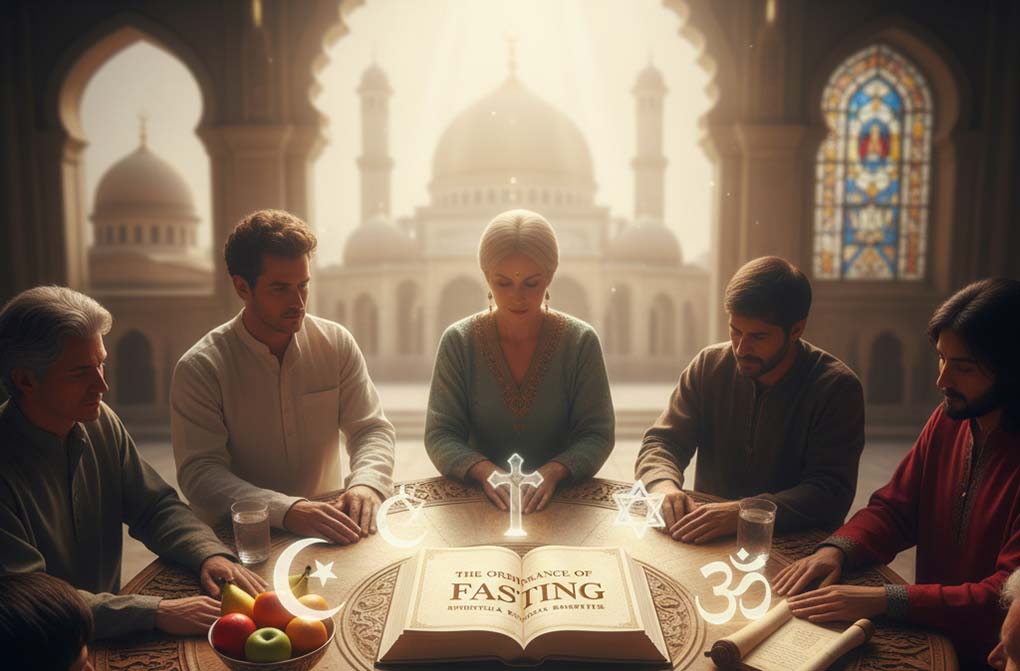
The ordinance of abstinence from food and water, described as vrat or upavasa in Hindu Scriptures, sawm or roza in Islam and fasting in English is enjoined in all the major religions Bahá’i Faith, Buddhism, Christianity, Confucianism, Hinduism, Islam, Jainism, Judaism. However, there are two exceptions, Parsi-Zoroastrianism and Sikhism, both these belief systems look upon fasting as an unnecessary imposition, the former is anchored on “good thoughts, good words, good deeds”, the latter on living a balanced life, nurturing the body as a temple of the soul. Nevertheless, most other religions mentioned above believe in inculcating the virtue of the spirit of renunciation and deprivation endured by the Founders of the world’s religious systems when they lived among the social milieu where they appeared.
This year the Maha Shivaratri would be observed on Sunday, February 15, with main rituals, including the auspicious time, between the evening of February 15 and the early morning of February 16. The Muslim month of Ramadan is expected to begin from 17th or 18th February depending on the sighting of the moon; the followers of the Bahá’i Faith would be commencing their 19 days of Fasting from 2nd March, the last month of the Bahá’i calendar.
To honour Lord Shiva, seek blessings, and promote spiritual growth devotees may observe a strict Nirjala Vrat (no water/food) or a partial fast (fruits, milk, or one light meal) from sunrise to the next morning. The fast typically lasts from sunrise on the day of Shivratri until the following morning. Those who cannot maintain a strict fast may choose to consume fruits and liquids, or, in some cases, follow a lighter, simple diet. Additionally, besides keeping the fast, devotees often stay awake through the night, chanting bhajans and meditating. Christians’ fasting evolved from the Jewish practice of Yom Kippur, the Day of Atonement, recalling the 40 days of Lent when Jesus Christ was in the wilderness reminiscent of 40-days fasting of Moses and Elijah as per the Hebrew Bible. In Jainism fasting is a profound spiritual practice aimed at purifying the soul, shedding accumulated karma, fostering extreme self-control as well as invoking the principle of non-violence (ahimsa) by minimizing harm to living beings. Fasting, the Bahá’í Writings state, “is the cause of awakening man. The heart becomes tender and the spirituality of man increases. This is produced by the fact that man’s thoughts will be confined to the commemoration of God, and through this awakening and stimulation surely ideal advancements follow”. However, it is important to note that fasting should not be viewed as a practice of asceticism, nor is it to be used as a means of penance: “[T]his material fast is an outer token of the spiritual fast; it is a symbol of self-restraint, the withholding of oneself from all appetites of the self, taking on the characteristics of the spirit, being carried away by the breathings of heaven and catching fire from the love of God.” No wonder, across the different religious traditions fasting functions as spiritual technology—a practical way for predictable changes in attention and behaviour. It operates through three mechanisms. First, it interrupts habitual consumption. By suspending the routine cycle of hunger and satisfaction, fasting reveals how identity is entwined with appetite. Second, it sharpens awareness. Hunger concentrates attention on the present, heightening the impact of prayer, recitation, or reflection. Third, it moralizes desire. In medical science, fasting serves as a diagnostic tool: it exposes impatience, anger and vanity, revealing the inner sources of moral setbacks. In religious traditions fasting is integrated into special prayers to be offered and doing charitable deeds. Bahá’u’lláh has revealed a number of prayers. Let me give a couple of examples, “This is, O my God, the first of the days on which Thou hast bidden Thy loved ones to observe the Fast. I ask of Thee by Thy Self and by him who hath fasted out of love for Thee and for Thy good-pleasure—and not out of self and desire, nor out of fear of Thy wrath…” “”All praise be unto God, Who enjoined on them the Fast that those possessed of means may become apprised of the woes and sufferings of the destitute…”
Modern physiology has shed some light on the effects of fasting. During a short duration, it shifts metabolism from glucose to fat-derived ketones, often associated with heightened alertness. Research on autophagy—the cellular recycling process elucidated by Nobel laureate Yoshinori Ohsumi in 2016—shows that nutrient deprivation activates internal repair mechanisms. This process clears out of cellular junk, effectively renewing the cell from within. The period of fasting is an occasion for community bonding. During Ramadan fellow-believers hold regular gatherings with family and friends as observed in the Iftars. Jewish Yom Kippur unfolds in the synagogue; Christian Lent shapes ecclesial calendars; Ekadashi, which occurs twice a month, impacts regular household routine; Buddhist observance days renew collective vows; Bahá’ís organize special gatherings at houses or community centres for prayer and collectively breaking the fast. Such societal features of fasting are quite apart from individual fasts prescribed for medical reasons.
As one embarks in discharging the spiritual obligation, it must be remembered that the ordinance of fasting is meant for those who are in good health. God has exempted those who are weak from illness or age, women who are pregnant, mothers nursing infants, children below 15 years and elderly who are above 70 years, as well as those in a journey. Fasting is neither a dietary trend nor blind religious ritual. It increases gratitude and empathy; the physical sensation of hunger creates a bridge for strengthening unity in diversity, a process of disciplining the mind, restraining impulse, and embedding virtues in daily life.
——————-
*The writer is a social worker, independent researcher, & member of the Bahá’i community of India. Views expressed are personal.