 Dr. A. K. Merchant*
Humanity today finds itself navigating the dark heart of an Age marked by profound upheavals. The Straits of Hormuz has become a telling metaphor. Every aspect of life is undergoing fundamental change, and the challenges are stark: (i) Crushing poverty afflicting vast sections of the population. (ii) Oppression of women and minorities that undermines justice and equality. (iii) Paralysis of collective will and mistrust among nations. (iv) Technological advances manipulated by market forces. (v) Failure of religious leadership to provide moral and spiritual guidance. (vi) Excessive military spending on weapons of destruction and ongoing wars. (vii) Environmental devastation often carried out in the name of development and progress.
These realities have left many, especially the younger generation, disillusioned, cynical, and asking questions, such as these: “…Are we fit to exist on the earth? Can we unite to stem the oncoming tide of destruction which, by our folly, we have let loose on ourselves? Followers of Bahá’u’lláh, the Founder of the Bahá’í Faith, are acutely conscious of these manifold crises. Guided by the Universal House of Justice, the worldwide Bahá’í community is engaged in the 9-Year Plan (2022–2031), which calls for lives of purpose, service, and transformation. Always yearning for an opportunity to share the Cosmic Will for our Age, the Bahá’is “are not swept off course by the world’s unabating distractions.” Everyone in the worldwide community, numbering some 8 million—women, men, youth and children–are urged to devote as much of their time, energy, and resources for the spiritual, intellectual and material advancement of the societies where they reside.
More than 150 years ago, Bahá’u’lláh warned that rulers “so drunk with pride” were blind to their own best interests, and that strife dividing humanity was daily increasing. His foresight of convulsions and chaos resonates with today’s fractured world order.
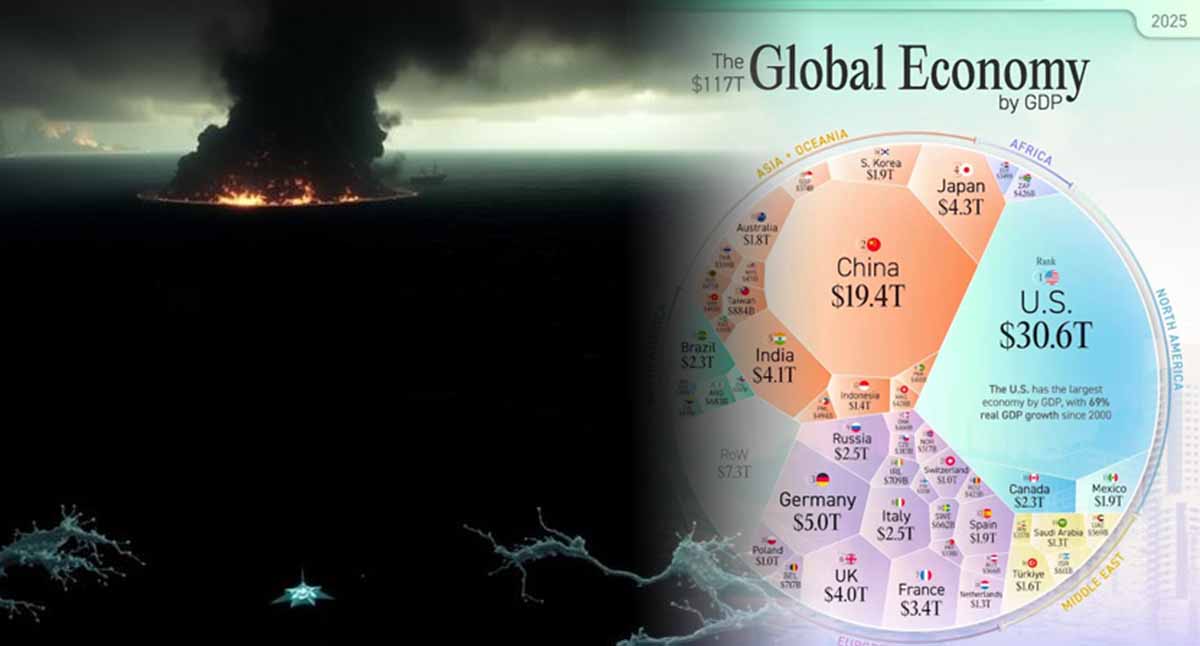
The contrast between extreme wealth and widespread poverty is glaring. Recent reports of a trillionaire and multi-billionaires stand in sharp relief against billions living in deprivation and pitiful conditions. Bahá’u’lláh’s striking words to Napoleon III, (1808-1870), then ruler of France, remind us: “Rejoicest thou in that thou rulest a span of earth, when the whole world, in the estimation of the people of Bahá, is worth as much as the black in the eye of a dead ant.” For Bahá’ís, attachment to worldly vanities is contemptible. Detachment is prized, not as rejection of material resources, but as a call to use them judiciously. The turmoil of the world will persist so long as leaders, those at the helm of affairs, and people wandering in the paths of delusion, refuse to align themselves with the Divine Purpose. For, “the earth is but one country, and humankind its citizens.”
When countries endorsed the United Nations Agenda 2030—Sustainable Development Goals in 2015 the very first goal was “No Poverty—End poverty in all its forms everywhere.” Despite decades of progress, poverty remains a pressing global challenge. In 2025, 808 million people lived in extreme poverty—roughly 1 in 10 worldwide. The COVID-19 pandemic, rising food prices, and inadequate social protection systems have worsened vulnerabilities. Nearly half of the global population remains unprotected, including 1.4 billion children.
Regional disparities are stark: Sub-Saharan Africa lags behind East and South Asia in poverty reduction. Meanwhile, global military expenditure in 2025 exceeded US $2.7 trillion. In complete disregard to the rules based international order, many countries are diverting resources for human development and poverty alleviation to providing resources for funding warring parties, both, within identified countries and among independent nation-states. A fresh look at causes of poverty and global priorities is urgently needed, free from current economic theories and agendas for development, involving the people most directly affected in the consultative process.
Wealth generation, distribution, and utilization must not be left to market forces. Based upon a foundation of justice and guided by moral principles the finite resources of the planet should be guided and equitably shared to insure the welfare and wellbeing of all humanity. Structures that perpetuate inequity and injustice must be reformed. The Bahá’i Writings state: “The rich must give of their abundance, they must soften their hearts and cultivate a compassionate intelligence, taking thought for those sad ones who are suffering from lack of the very necessities of life. There must be special laws made, dealing with these extremes of riches and want…The government of the countries should conform to the Divine Law which equal justice to all.”
The extremes of wealth and poverty are untenable; no wonder the collapse of civilization that has become morally bankrupt is accelerating. Yet Bahá’ís remain convinced that through the prosecution of the 9-Year Plan, in particular, and fulfilment of the goals of Agenda 2030, humanity can move toward a better future. Against the backdrop of dire conditions and all-pervasive uncertainties, Bahá’ís believe, the arduous tasks of positively transforming present-day society, must continue. “That which the Lord hath ordained as the sovereign remedy and mightiest instrument for the healing of all the world is the union of all its peoples in one universal Cause, one common Faith…”
——————————-
*The writer is a social worker, an independent researcher, & a member of the Bahá’i Community of India.