JK, Bhaderwah, Sept. 3 (ITN) : The deteriorating condition of several important road stretches in Bhaderwah, particularly the routes from the ADC Office towards Sartingal–Domail, Pasri Bus Stand–Domail and other link roads, has raised concern among residents and commuters, while also prompting questions over the effectiveness of routine road maintenance and ground-level monitoring by the concerned departments.
Despite the importance of these roads, potholes and damaged stretches continue to cause inconvenience to commuters and pose potential risks to road users. The situation has once again highlighted an apparent gap between administrative deliberations and visible execution on the ground.
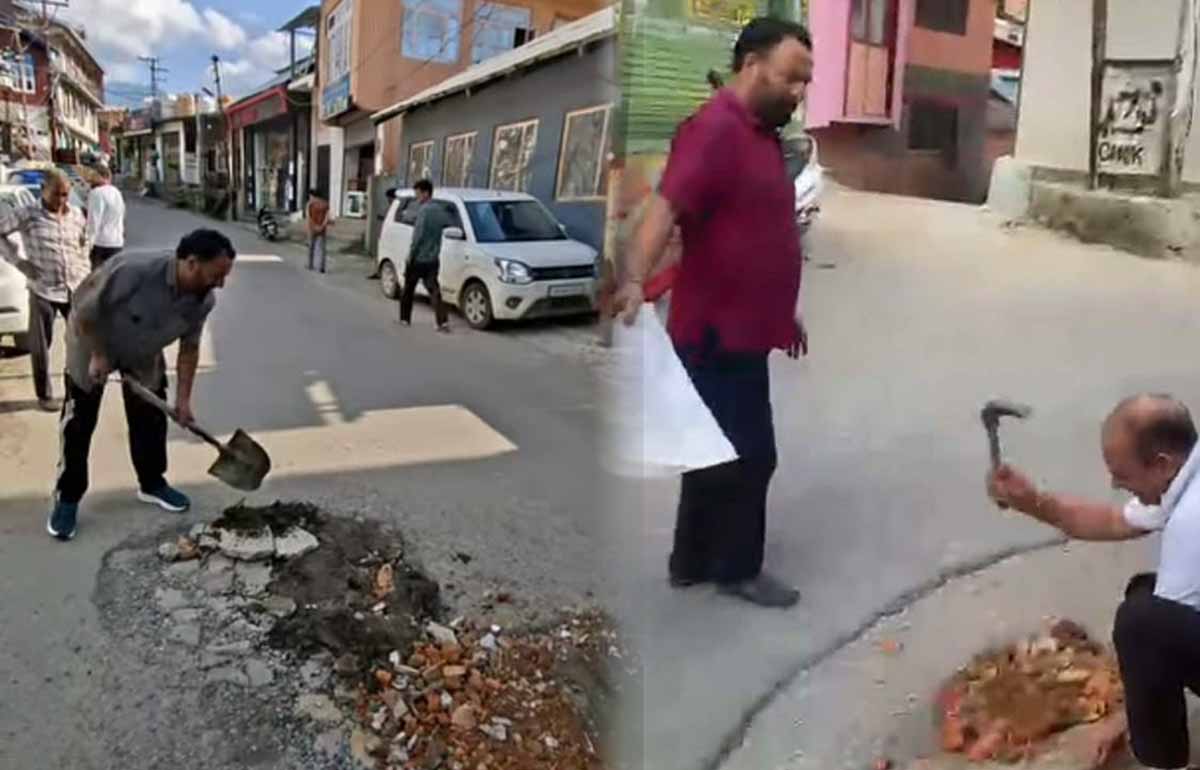
In a commendable display of civic responsibility, social activists and local volunteers have stepped forward to fill potholes and undertake temporary remedial work, despite the fact that the maintenance of public roads primarily falls within the responsibility of the concerned government agencies.
Speaking on the issue, activist Mushtaq Ahmad, popularly known as Chunna Bahi, said social activists would continue to work in the larger interest of society and contribute whenever public welfare demands.
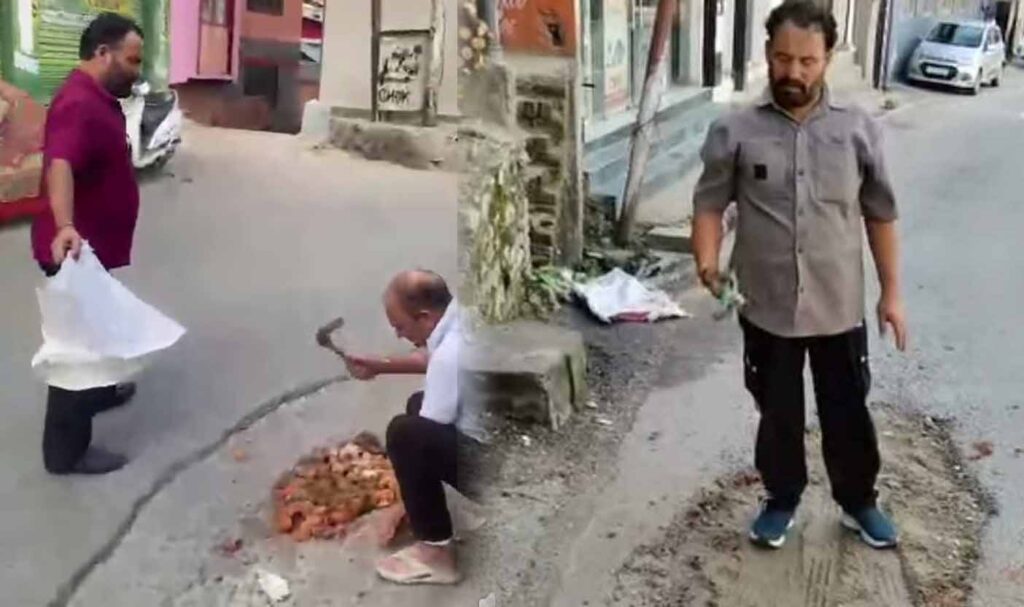
He, however, expressed serious concern over what he described as an apparent lack of urgency within the administrative system as well as among the political representatives of Bhaderwah.
“We will continue to work in the interest of society. The administrative system appears to be in a deep slumber despite the fact that Bhaderwah Valley has emerged as a new tourism destination. People are regularly visiting the area, but they are facing problems due to potholes almost everywhere on roads connecting Bhaderwah town,” Mushtaq Ahmad said.
Ahmad also criticised the political representatives of Bhaderwah, alleging that they had failed to give adequate attention to deteriorating road infrastructure and the hardships being faced by the public.
“It is equally unfortunate that our political representatives appear to be turning a blind eye to these basic issues. People have elected their representatives to raise their concerns and ensure development, but the continuing condition of these roads is causing unnecessary suffering to the public,” he said.
He alleged that the persistent neglect of basic infrastructure was not only making daily travel difficult for residents but could also adversely affect Bhaderwah’s image among tourists and visitors. He appealed to both the administration and political representatives to move beyond routine assurances and give priority to genuine public concerns.
The remarks assume significance as Bhaderwah continues to emerge as an important tourism destination. The condition of roads leading to and around the town inevitably affects the experience of visitors while simultaneously impacting the daily lives of local residents.
The intervention of activists has provided some immediate relief, but it has also raised a pertinent question: should citizens repeatedly have to step in to address basic road-maintenance issues that ordinarily fall within the responsibilities of public agencies?
Development meetings, inspections and official reviews are important components of governance, but their effectiveness is ultimately measured by the results visible on the ground. Persistent potholes on roads connecting important administrative, residential and tourist areas suggest the need for stronger field-level inspections, timely execution, inter-departmental coordination and quality monitoring.
The criticism should not be viewed as an indictment of every official or political representative. Rather, it highlights a broader concern that administrative accountability and political responsiveness must ultimately be reflected in visible improvements in people’s daily lives.
At the same time, the efforts of Mushtaq Ahmad and other social activists deserve appreciation. Their initiative reflects a strong sense of civic responsibility and demonstrates that citizens can play a meaningful role in addressing local problems.
However, community participation should complement institutional responsibility, not become a substitute for it. Sustainable road infrastructure requires proper engineering intervention, regular maintenance and institutional monitoring rather than temporary solutions undertaken by volunteers.
With Bhaderwah increasingly attracting tourists, residents and visitors alike expect the concerned departments and public representatives to treat road infrastructure as a priority. Prompt repairs, regular inspections and a more responsive maintenance mechanism could significantly improve both public safety and the overall image of the valley.
The activists’ message is therefore both constructive and clear: citizens remain willing to contribute to society, but they also expect the administration and their elected represent.
By Mansoor Qadir.