
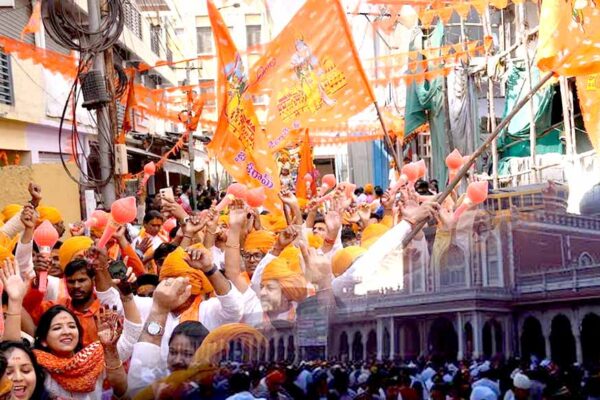
The Other Side of the Story: Nationhood, Hindutva and the Place of Indian Muslims
An in-depth look at Hindutva, Indian nationhood, Partition and the constitutional rights, citizenship and equal belonging of Indian Muslims.
An in-depth look at Hindutva, Indian nationhood, Partition and the constitutional rights, citizenship and equal belonging of Indian Muslims.
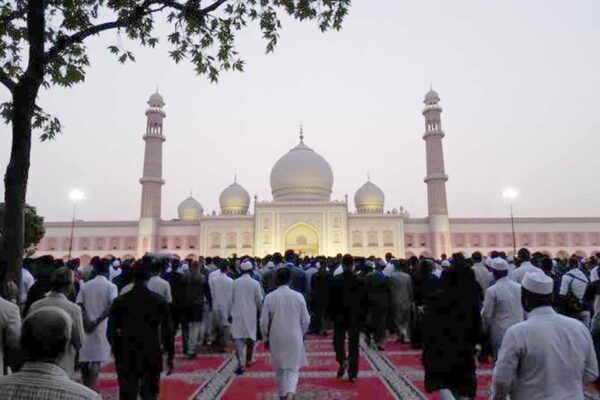
Indian Muslims can pursue a more empowering path by demanding constitutional rights while actively using universal government schemes for education, skills, entrepreneurship, employment and welfare.
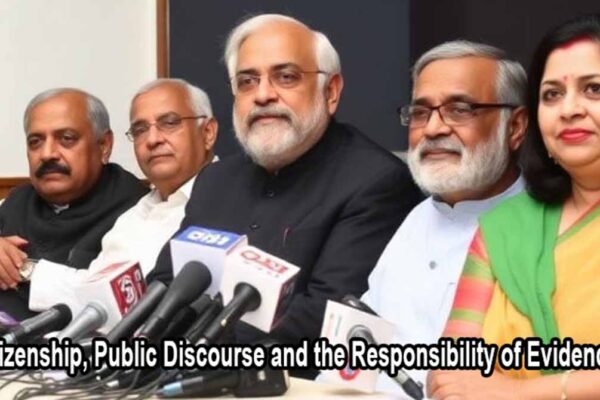
An evidence-based opinion on India’s citizenship debate, examining the CAA, NRC, NPR, electoral roll revisions, constitutional principles, and the need for fact-driven democratic discourse over political rhetoric.
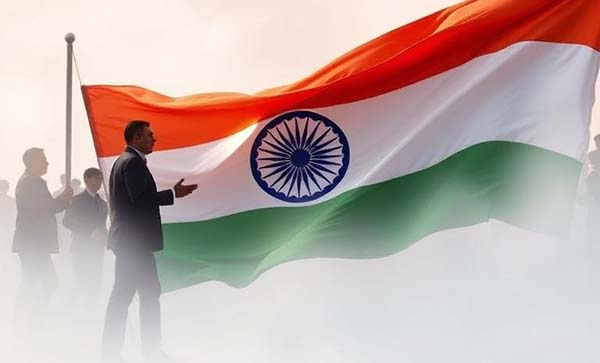
Explore the importance of constitutional rights, equal justice, due process, and organized civic engagement as tools for addressing discrimination and strengthening democracy in India.
Explore the debate around minority scholarships in India, inclusive governance, and educational equity under the Modi government. An analysis of policy gaps, minority welfare schemes, and the future of inclusive development in contemporary India.
An in-depth analysis of Aadhaar coverage, welfare access and citizenship concerns among Indian Muslims, highlighting documentation realities, EWS awareness and inclusion challenges in India.

A thoughtful appeal for calm and clarity amid border security and citizenship concerns—highlighting the importance of truth, restraint, and national unity.
Najmuddin A. Farooqi reflects on the challenges facing Indian Muslims today—urging introspection, balanced engagement, and cooperation for unity, dignity, and national progress.
AIMMM Working President Navaid Hamid hails Supreme Court’s interim order on Waqf Amendment Act as a major setback to Modi government’s controversial changes.
As RSS nears 100 years, its softer tone contrasts BJP’s assertiveness—unpacking the ideological divergence reshaping Indian right-wing politics.